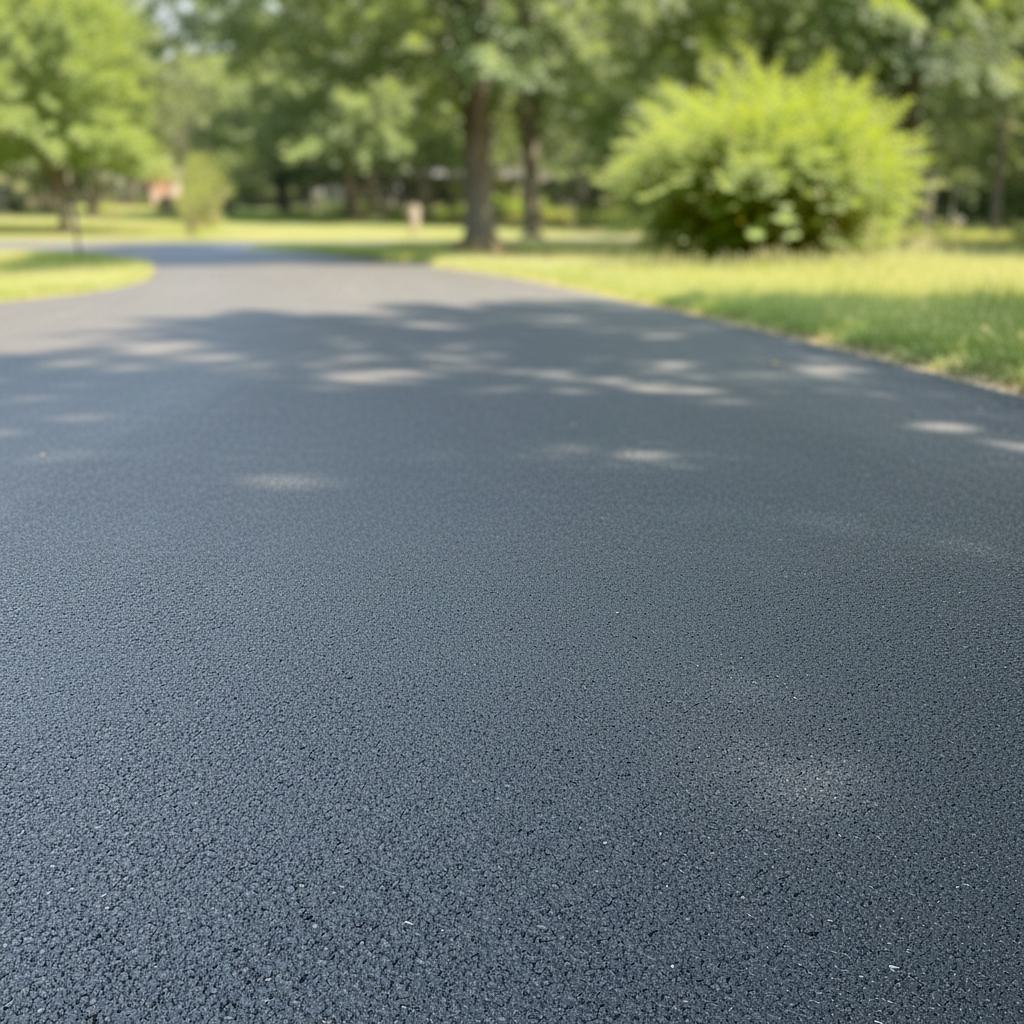
What exactly is slurry coating, anyway?
Alright, let's get this straight from the jump. Slurry coating, sometimes called sealcoating, isn't just some fancy paint job for your driveway. Nope. It's a protective layer, a mix of asphalt emulsion, water, aggregate (usually sand), and some other additives. When we put it down, it fills in those tiny cracks and voids, smooths out the surface, and gives your asphalt a fresh, dark look. Think of it like sunscreen and a moisturizer for your driveway – it protects it from the elements and makes it look good doing it.
Why should I even bother with slurry coating my driveway?
Good question. You've got a perfectly good asphalt driveway, right? Well, that Arkansas sun, rain, and even the occasional ice storm we get around here are constantly beating on it. UV rays dry out the asphalt binder, making it brittle. Water seeps into cracks, freezes, expands, and then you've got potholes. Slurry coating creates a barrier. It slows down that oxidation process, prevents water from getting in, and makes your driveway more resistant to oil and gas spills. It extends the life of your asphalt, plain and simple. Honestly, it's a lot cheaper to maintain your driveway than to replace it.
How often do I need to get my driveway slurry coated in Bentonville?
This isn't a one-size-fits-all answer, but generally, I tell folks around here to plan on every 2-3 years. If your driveway gets a lot of sun exposure, like those homes out in the open fields near Centerton, or if you've got heavy traffic on it, you might lean closer to every two years. If it's shaded and doesn't see much action, you might stretch it to three. The key is to watch for signs of wear – fading color, small hairline cracks appearing. Don't wait until it's falling apart; that's when you're looking at more expensive repairs before we can even seal it.
What's the best time of year to apply slurry coating in Northwest Arkansas?
Timing is everything with this stuff. You need warm, dry weather. Here in Bentonville, that usually means late spring, summer, and early fall. We're looking for consistent daytime temperatures of at least 50°F and nighttime temps that don't drop too far below that. It also needs to be dry for at least 24-48 hours after application so it can cure properly. Trying to do it when it's too cold or if rain is in the forecast is just asking for trouble – it won't stick right, and you'll be wasting your money. We're usually pretty busy from May through October for this very reason.
Can I just do this myself to save some money?
You can, sure. There are products at the big box stores. But I'll be honest with you, it's a lot harder to get a professional, even finish than you might think. We use commercial-grade materials that are designed for longevity and have the right equipment to apply it evenly and efficiently. Getting the surface properly cleaned and prepped is half the battle, and that takes specialized tools and know-how. Plus, if you mess it up, you've wasted your time and money, and then you're calling Apex Paving Solutions to fix it anyway. For a good, long-lasting job, it's usually worth letting the pros handle it.
How long until I can drive on my driveway after it's been coated?
Patience is a virtue here. After we apply the slurry coat, you'll need to stay off it for at least 24 hours, sometimes 48 hours, depending on the weather conditions. If it's cooler or more humid, it'll take longer to fully cure. Driving on it too soon can leave tire marks, scuff the new surface, and just generally mess up the job. We'll always give you a specific timeframe based on the day's conditions, but plan on parking on the street or in your yard for a day or two. It's a small inconvenience for a much longer-lasting finish.
Will slurry coating fix all the cracks and potholes in my driveway?
No, and this is a big one folks often misunderstand. Slurry coating is a preventative and protective measure, not a repair solution for major damage. It'll fill in tiny hairline cracks and smooth out minor surface imperfections, but it won't fix deep cracks, potholes, or areas where the asphalt has deteriorated significantly. Those issues need to be addressed *before* we apply the slurry coat. We'll patch potholes and fill larger cracks first; otherwise, the slurry coat will just crack right over the existing damage, and you won't get the protection or the look you're paying for. Always fix the foundation before you paint the house, right?