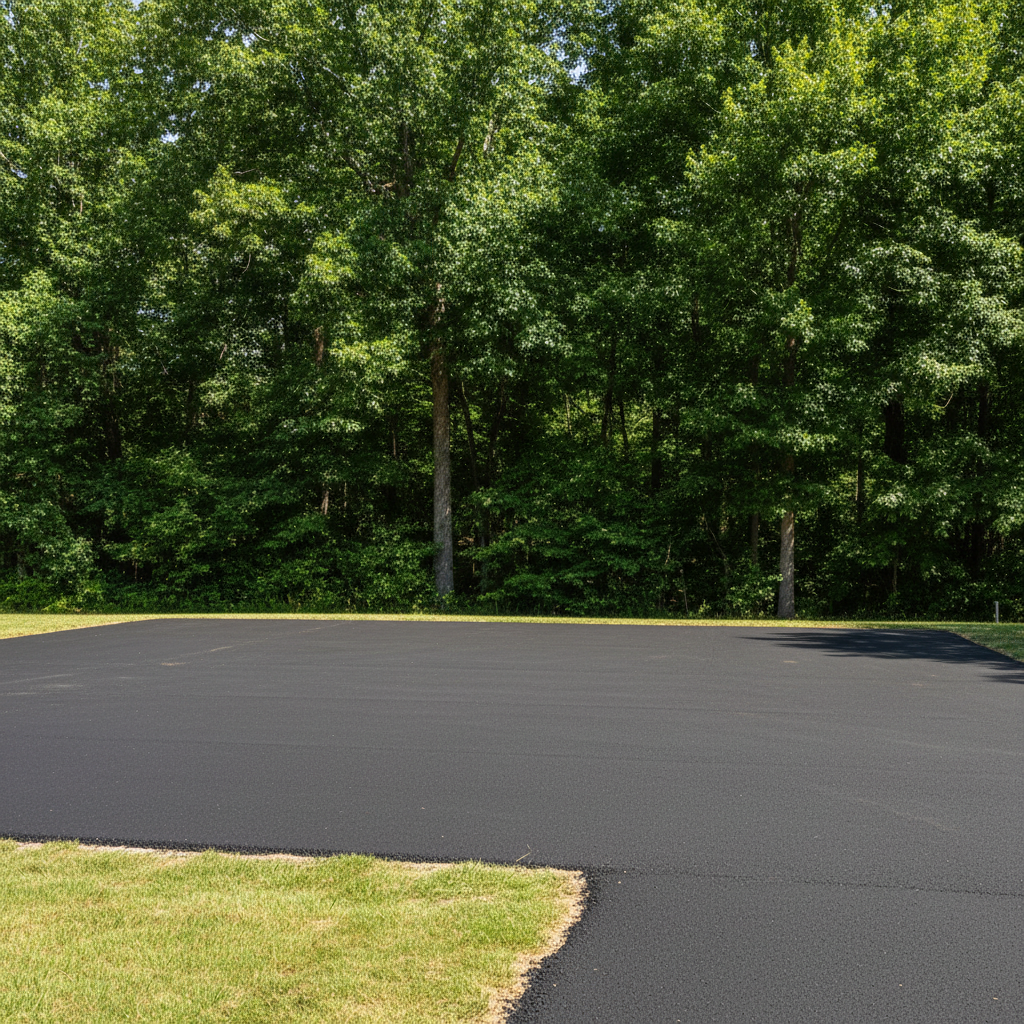
Alright, let's talk about your parking lot. You probably don't think about it much until there's a problem, right? But that asphalt or concrete surface is one of the first things your customers see, and it's a huge investment for your business. Down here in Bentonville, with our crazy freeze-thaw cycles and heavy summer rains, that pavement takes a real beating. I've seen too many businesses let their lots go, only to face a massive, expensive repair job later on. Don't be that business.
How to Get More Years Out of Your Pavement
Extending the life of your parking lot isn't rocket science, but it does take some consistent effort. Think of it like maintaining your car; you wouldn't just drive it until it breaks down, would you? The same goes for your pavement. The goal is to address small issues before they become big, expensive ones.
First off, keep it clean. Seriously. Debris, dirt, oil spills – they all contribute to the breakdown of your pavement. Oil and gas eat away at asphalt binders, and dirt can hold moisture against the surface, leading to degradation. Get a regular sweeping schedule in place. It's simple, cheap, and makes a big difference.
Drainage is another huge one, especially around here. We get some serious downpours. If water isn't draining properly, it's going to sit on your lot, seep into cracks, and eventually undermine the base. Make sure your catch basins are clear and that there aren't any low spots where water pools up. If you see standing water for more than an hour or two after a rain, you've got a drainage problem that needs fixing.
Regular sealcoating for asphalt lots is also key. Think of it as sunscreen for your pavement. It protects against UV rays, water penetration, and chemical spills. For asphalt, I usually recommend sealcoating every 2-3 years, depending on traffic volume. It'll keep that rich black color and, more importantly, keep the surface protected. For concrete, a good quality sealant applied periodically helps prevent moisture intrusion and spalling.
What Regular Maintenance Looks Like
So, beyond the big stuff, what should you be doing regularly? It's mostly about inspection and quick fixes.
- Crack Sealing: This is probably the most important thing you can do. Cracks are like open wounds on your pavement. Water gets in, freezes, expands, and then you've got a pothole. Seal those cracks as soon as they appear. Don't wait until they're wide enough to stick your finger in.
- Pothole Repair: If you do get potholes, get 'em fixed fast. They're not just an eyesore; they're a trip hazard and they'll get bigger and deeper with every car that drives over them. A proper patch job involves cleaning out the hole, applying a tack coat, filling it with hot mix asphalt, and compacting it. Cold patch is a temporary fix, but it's better than nothing if you're waiting for a professional repair.
- Line Striping: This isn't just cosmetic. Well-defined parking lines, arrows, and handicap symbols improve safety and traffic flow. Over time, paint fades, especially with our sun exposure. Re-striping every couple of years keeps your lot looking sharp and functional.
- Edge Repair: The edges of your parking lot, especially where it meets grass or gravel, can crumble over time. Keep an eye on these areas and repair them to prevent further deterioration.
Warning Signs You Can't Ignore
You don't need to be a paving expert to spot trouble. Here are some red flags that tell you your parking lot needs attention:
- Alligator Cracking: This looks like a series of interconnected cracks, like an alligator's skin. It means the base layer beneath the asphalt is failing, usually due to water intrusion or heavy loads. This isn't a simple crack seal job; it often requires a more extensive repair like an overlay or even full-depth patching.
- Potholes Galore: A few isolated potholes are one thing, but if your lot is riddled with them, it's a sign of widespread failure.
- Standing Water: As I mentioned, if water isn't draining, it's causing damage.
- Depressions or Rutting: These are sunken areas or channels in the pavement, often in high-traffic areas. This indicates structural failure in the base or sub-base.
- Faded or Missing Lines: While not a structural issue, it's a safety and aesthetic problem.
When to Call a Professional
Look, for minor crack sealing and small pothole repairs, some folks might try a DIY approach. But for anything beyond the most basic stuff, you really need to call in the pros. When you see alligator cracking, widespread potholes, significant rutting, or major drainage issues, that's definitely a job for us. We've got the right equipment, materials, and expertise to diagnose the problem correctly and fix it so it lasts.
Trying to DIY a big paving problem often ends up costing more in the long run because the repair isn't done right and fails quickly. Here at Apex Paving Solutions, we're familiar with the specific challenges of Bentonville's climate and soil conditions, like the clay soils we often deal with. We know what it takes to build and maintain a durable parking lot that stands up to everything Northwest Arkansas throws at it. Don't wait until your lot is a liability; a little proactive maintenance goes a long way in protecting your investment.