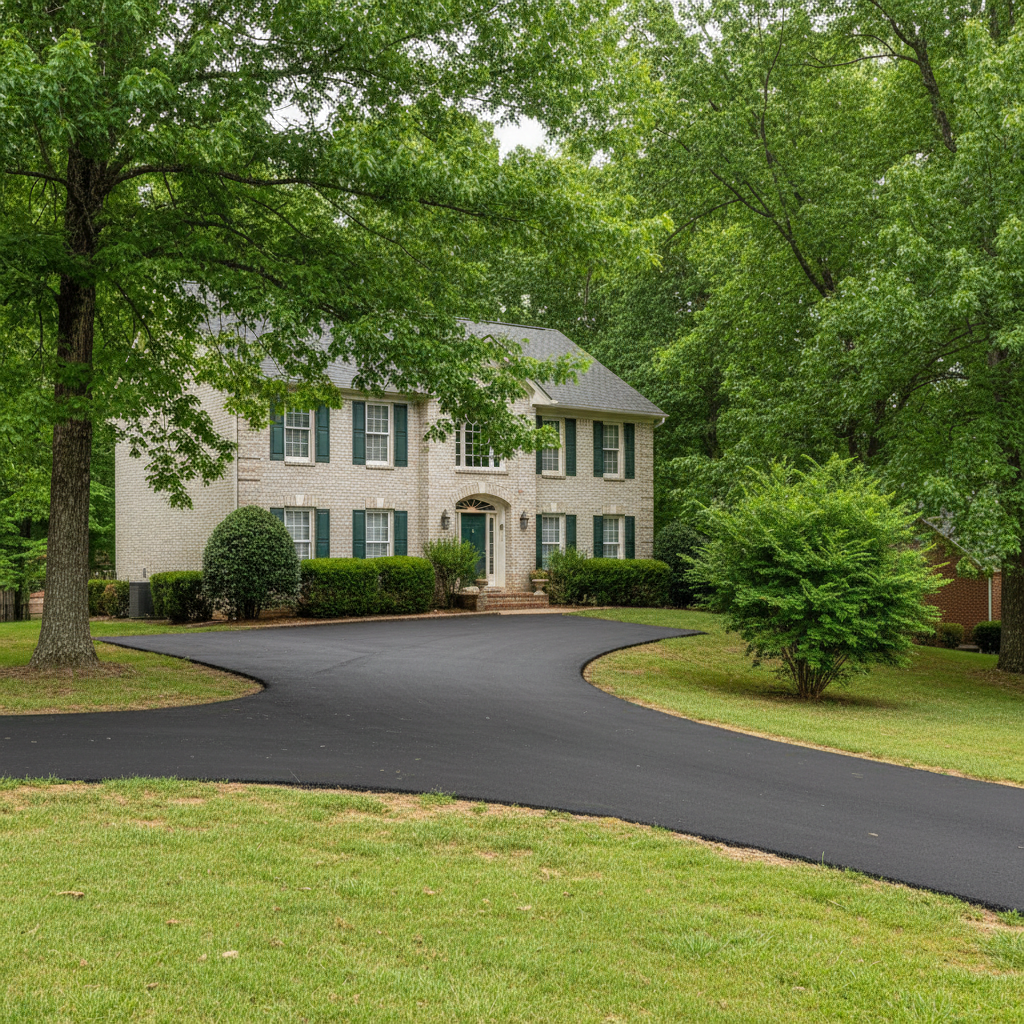
Thinking about getting that cracked or crumbling asphalt driveway fixed? Good. Ignoring those issues just makes 'em worse, and a small repair can quickly turn into a full-blown replacement if you wait too long. I've seen it countless times, especially with our crazy Arkansas weather cycles. Planning an asphalt repair isn't rocket science, but there are definitely things you should know to make sure it goes smoothly and you get a lasting fix.
Your Asphalt Repair Timeline: What to Expect
First off, let's talk timing. You're probably wondering how long this whole thing takes. From your first call to the final sweep, it's usually a few weeks, but the actual work on your property is often pretty quick.
- Initial Contact & Estimate (1-3 days): You call us, we set up a time to come out. We'll look at the damage, measure things up, and give you a detailed quote. This is where we figure out if it's a simple crack seal, a pothole patch, or something more involved like an overlay or even a partial removal and replacement.
- Scheduling the Work (1-3 weeks): Once you approve the quote, we'll get you on the schedule. This timeframe can vary depending on the season and how busy we are. Spring and fall are usually peak times, so plan ahead if you can.
- The Repair Itself (1 day to a few days): Most residential asphalt repairs are done in a single day. Larger projects, or those requiring extensive base work, might take two or three. We'll give you a clear idea of this when we provide the estimate.
- Curing Time (24-72 hours): After we're done, you'll need to stay off the repaired area for a bit. We'll tell you exactly how long, but generally, it's 24-72 hours before you can drive on it. This lets the new asphalt or sealants properly cure and harden.
What Happens During the Repair Process?
When my crew from Apex Paving Solutions shows up, here's a general idea of what you'll see us doing:
- Site Preparation: We'll clean the area thoroughly. This means sweeping away loose debris, dirt, and any vegetation that's grown into cracks. For potholes, we might cut out the damaged section to create clean edges.
- Crack Filling: If it's just cracks, we'll use a hot-applied, rubberized crack filler. This stuff gets heated to high temperatures and poured into the cracks, sealing them up tight. It's flexible, so it moves with the asphalt as it expands and contracts.
- Pothole Repair: For potholes, we'll often cut out the bad section, clean out the hole, and then fill it with new hot asphalt mix. We compact it down really well to make sure it's dense and level with the surrounding pavement.
- Patching/Overlaying: If there's a larger area of deterioration, we might do a patch or a small overlay. This involves applying a new layer of asphalt over the existing, properly prepared surface.
- Compaction: We use rollers or vibratory plates to compact the new asphalt, ensuring it bonds properly and creates a durable surface.
- Cleanup: We always clean up our mess. You won't be left with asphalt chunks or debris all over your lawn.
How to Prepare Your Property for Asphalt Repair
You don't have to do much, but a little prep on your end makes our job easier and faster:
- Clear the Area: Make sure there are no cars, bikes, toys, or anything else on or near the driveway or the area to be repaired. We need clear access.
- Trim Landscaping: If you have bushes or tree branches hanging low over the driveway, especially in those older neighborhoods like Apple Creek, it helps if you trim them back a bit. We need room to maneuver our equipment.
- Inform Neighbors: If our work might temporarily block access to a shared driveway or create some noise, a heads-up to your neighbors is always a good idea.
- Secure Pets: Keep your pets indoors or in a secure area away from the work zone. Hot asphalt isn't good for paws, and loud equipment can be startling.
- Mark Sprinkler Heads: If you have sprinkler heads close to the edge of your asphalt, mark them with a flag or stake. We're careful, but it helps us avoid accidental damage.
Key Questions to Ask Before You Sign the Contract
Before you commit to anyone, make sure you've got answers to these:
- What specific repair methods will you use? Don't just accept