Alright, let's talk asphalt repair. I hear a lot of the same questions from folks around Bentonville, and honestly, it makes sense. You want your driveway to look good and last, but nobody wants to get ripped off or end up with a crummy job. So, I figured I'd just lay out some of the most common questions I get and give you the real deal, no marketing fluff.
How do I know if I need a repair or a full replacement?
This is probably the biggest question I get asked. Look, if your asphalt just has some minor cracks, maybe a few potholes here and there, or some surface wear, you're probably looking at repairs. We can usually patch those spots up, seal coat everything, and get a lot more life out of it. But if you're seeing widespread alligator cracking — that's when it really looks like a crocodile's skin — or big areas are crumbling, sinking, or have serious drainage problems, then it's likely time for a replacement. Especially if the base underneath is shot. Think about it: you wouldn't just patch a crumbling foundation, right? Sometimes, you just have to rip it out and start fresh. I'll always give you an honest assessment when I come out to take a look.
What's the deal with crack filling vs. crack sealing?
People use these terms interchangeably, but there's a difference, and it really matters for how long your repair lasts. Crack filling is usually for smaller, non-moving cracks — like hairline cracks or ones that aren't expanding much. We'll clean them out and fill them with a cold-pour material. It's a quick fix, but it's not as durable long-term. Crack sealing, on the other hand, is for active cracks, the ones that expand and contract with our crazy Bentonville weather, especially those freeze-thaw cycles we get. For sealing, we use a hot-applied, rubberized material that stays flexible. It bonds better to the crack walls and moves with the asphalt, making it a much more effective and longer-lasting solution for keeping water out. If you're serious about protecting your pavement, you definitely want crack sealing for those bigger, active cracks.
Can I just DIY my asphalt repairs?
You *can*, but should you? For a tiny hairline crack, sure, go grab a tube of crack filler from the hardware store. But for anything more substantial, you're probably just going to waste your time and money. Professional repair isn't just about pouring stuff into a hole. It's about proper cleaning, understanding the right materials for the specific type of damage, and applying them correctly. If you don't clean the crack right, the filler won't stick. Use the wrong type of material, and it'll just pop out in a few months. Plus, bigger repairs, like patching potholes, require specialized equipment to cut out the damaged area cleanly and compact the new asphalt properly. I've seen plenty of DIY jobs that end up costing more to fix later than if they'd just called us at Apex Paving Solutions in the first place.
How long do asphalt repairs typically last?
That's a loaded question, because it depends on a bunch of factors: the type of repair, the quality of the materials, how well it was installed, and how much traffic it sees. A good crack seal job, done right with quality hot rubberized material, can easily last several years. A proper pothole patch, especially if it's a full-depth repair, can last 5-10 years or even longer, assuming the surrounding pavement and base are still in good shape. But if you're just doing a quick cold patch on a crumbling area, don't expect miracles. Regular maintenance, like sealcoating every few years, also plays a huge role in extending the life of any repair and your overall pavement.
What's the best time of year to get asphalt repairs done in Bentonville?
Generally, spring, summer, and early fall are ideal. You need consistent dry weather and temperatures that aren't too cold. For most asphalt work, including patching and crack sealing, we need temperatures to be above 45-50 degrees Fahrenheit and rising. If it's too cold, the asphalt won't compact properly, and materials like crack sealants won't cure right. If it's too wet, water gets trapped, and you're just asking for trouble down the road. So, once those spring rains pass and we get into the warmer months, that's usually the sweet spot. Trying to fix asphalt in the dead of winter here, especially after a snowmelt and refreeze, is just asking for the repair to fail quickly.
Why do some repairs look different from the surrounding asphalt?
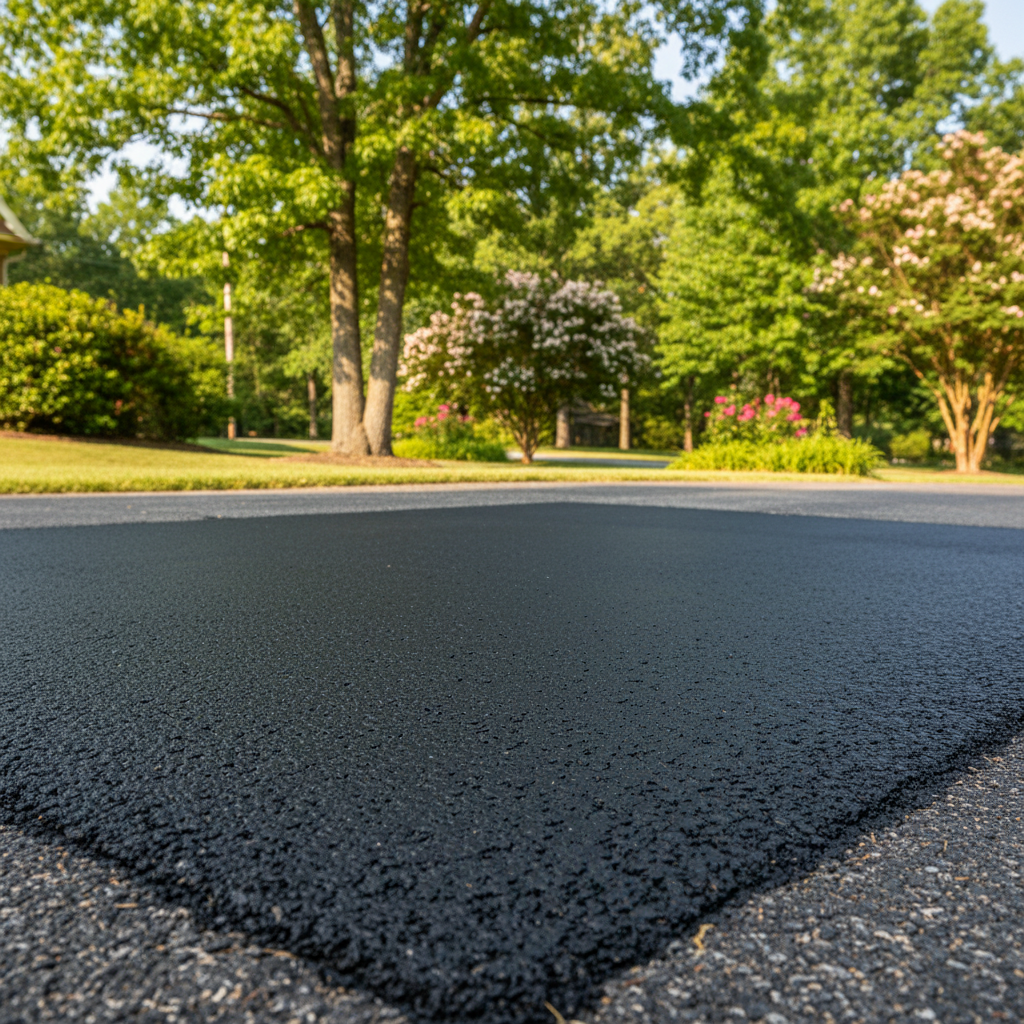
It's pretty tough to make a repair completely disappear, especially on older asphalt. When we patch, we're introducing new, fresh asphalt, which is usually a darker black. The surrounding pavement has likely oxidized and faded over time, making the new patch stand out. It's kind of like putting a new patch on an old pair of jeans — you can tell it's a repair. Over time, with sun exposure and traffic, the new patch will start to fade and blend in better. Applying a sealcoat over the entire area after repairs can help unify the color and make the repairs less noticeable, giving everything a fresh, uniform look. It's not just about aesthetics, though; sealcoating also protects the newly repaired areas and the rest of your pavement.