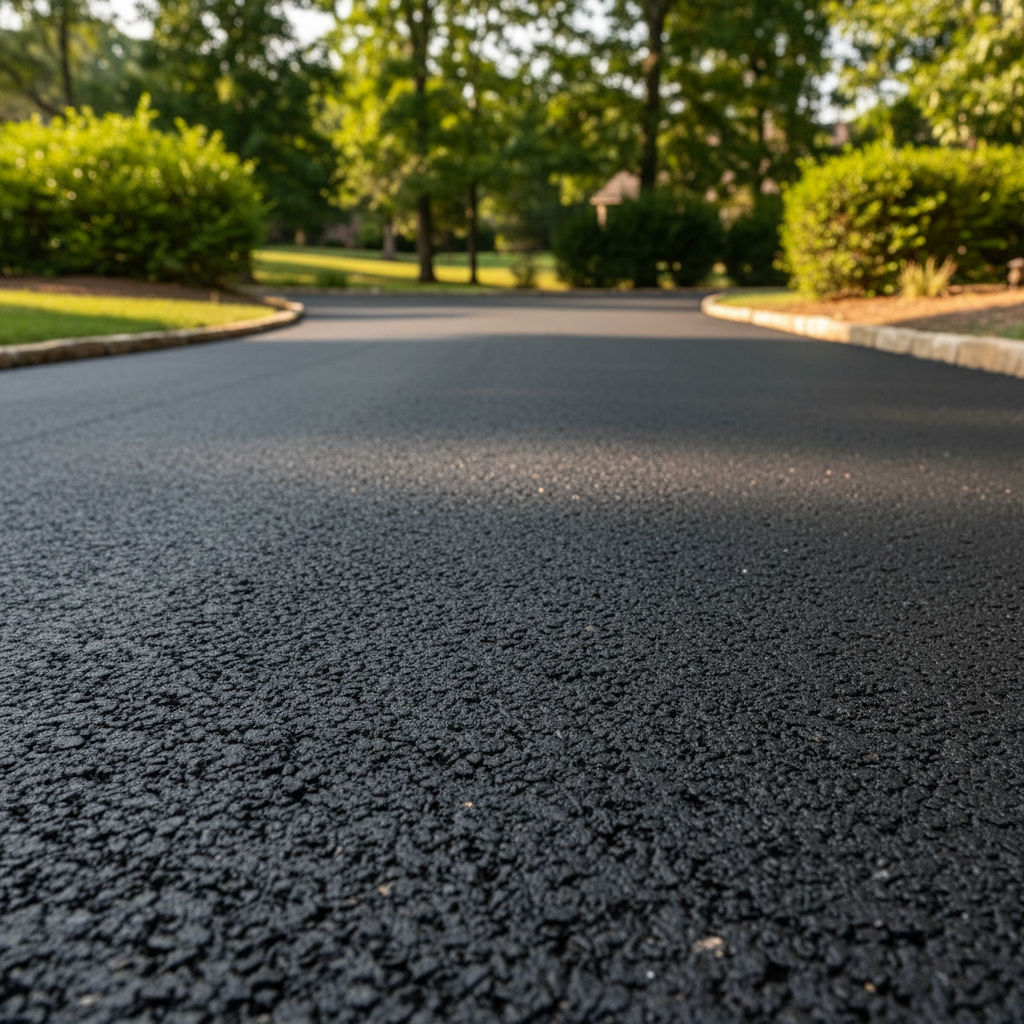
So, you're staring at your driveway, huh? Thinking it's high time for some fresh asphalt? Or maybe you're planning a brand-new path around the house. Look, it's a big project, and I often see folks here in Bentonville scratching their heads, wondering what they can tackle themselves and when it's really time to call in a professional crew. Let's dig into it, from the very beginning to the very end.
Before You Even Think About Paving
First things first, and this is crucial: planning. You can't just dump asphalt on the ground and expect it to hold up. The foundation, that's everything. If your existing asphalt just has a few cracks, you might only need resurfacing, not a full tear-out. But if it's crumbling, riddled with huge potholes, or the drainage is totally off, you're probably looking at a complete replacement. That means digging out the old stuff, grading the sub-base, and making absolutely sure water will flow away from your house, not pool up against it.
What parts of this can you handle yourself? Well, you can certainly mark out where you want the paving to go. You could also do some basic research on local regulations – though for most residential driveways, you're usually fine as long as you stay on your own property. You might even be able to clear some brush or debris. But when it comes to serious excavation, getting the grade just right, and compacting that sub-base? That's usually where most DIYers hit a wall. You need heavy equipment and a sharp eye for drainage. Mess this up, and your new asphalt will fail quickly, no matter how good the top layer is. Especially with our clay soils around Bentonville, proper compaction and drainage are absolutely non-negotiable. If you don't get that sub-base right, you'll be seeing cracks and settling before you know it.
During the Paving Process
Okay, so the prep work's done, or you've wisely decided to let the pros handle it. Now comes the actual paving. Asphalt isn't like something you just pick up in a bag at the hardware store and spread with a rake, you know? It's a hot mix, delivered by specialized trucks, and it cools down fast. Once it's on the ground, you need to spread it evenly and compact it immediately with heavy rollers.
Can you DIY this part? Honestly, for anything more than a tiny patch, no. Not effectively, anyway. You'd need access to a hot asphalt plant, a specialized truck to keep it hot, an asphalt paver to lay it down evenly, and heavy vibratory rollers to compact it to the right density. These aren't tools you just rent at Home Depot. Plus, there's a real art to getting the right slope, the right thickness, and a smooth, even finish. If you try to do this with shovels and hand tampers, you'll end up with an uneven, weak surface that won't last through our hot summers and cold winters. Trust me on this one.
This is exactly where a company like Apex Paving Solutions shines. We've got the equipment, the crew, and the experience to get it done right the first time. We're talking about making sure the asphalt is laid at the perfect temperature, compacted to spec, and that your finished surface is smooth and durable.
After the Asphalt is Down
So, the new asphalt is in, and it looks fantastic. Now what? The first few days are super important. You'll want to stay off it for at least 24-48 hours, sometimes even longer depending on the weather and the mix. It needs to cure and harden properly. Don't park heavy vehicles on it too soon, and try to avoid turning your steering wheel while standing still – that can leave scuff marks, especially when it's new and hot.
What can you do for maintenance? Plenty! Keep it clean. Sweep off leaves, dirt, and debris regularly. Oil and gas spills? Clean them up right away. Asphalt is petroleum-based, so other petroleum products will break it down over time. You can also keep an eye out for small cracks. Catching them early with a good crack sealer can prevent them from turning into bigger problems that let water get under your asphalt.
Sealcoating is another big one. I usually recommend sealcoating your driveway every 2-3 years. It protects the asphalt from UV rays, water, and chemicals, extending its life significantly. Can you sealcoat yourself? Yes, you can. You can buy sealcoat at hardware stores. It's a labor-intensive job, though – you'll need to clean the surface thoroughly, fill any cracks, and then apply the sealcoat evenly. For a small, simple driveway, it's totally doable. For larger or more complex areas, or if you just don't want to spend a weekend doing it, calling a professional is a good idea. They've got the right spray equipment for an even application and can get it done much faster.
Ultimately, a new asphalt driveway is an investment. Doing the right prep, having it installed correctly, and then maintaining it will ensure it lasts you for decades. Don't skimp on the important stuff, and know when to call in the experts.