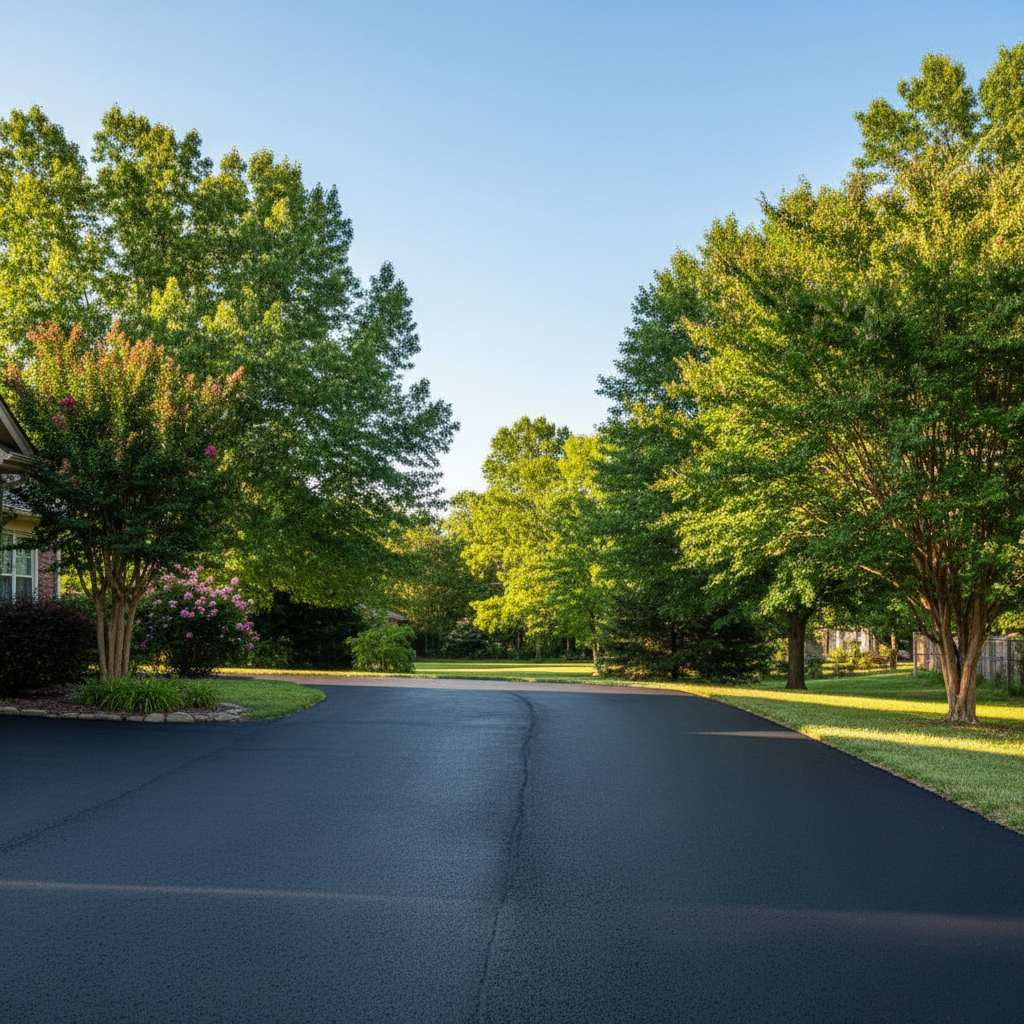
So, you finally got that crumbling asphalt fixed up. Smart move. Whether it was a nasty pothole in your driveway or a bigger section of your parking lot, a good patch can save you a ton of trouble later on. But here’s the thing: a patch isn't something you can just "set and forget." You really need to give it a little attention if you want it to last, especially with the kind of weather we get here in Bentonville.
Make Your Asphalt Patch Last Longer
You want that patch to blend in and hold up as long as possible, right? It's not brain surgery, but a few simple things can make a huge difference. First off, keep heavy stuff off it for a bit. I know it's tempting to drive right over, but give it a few days—maybe even a week if it was a really deep one—so that asphalt can truly cure and settle. Driving heavy trucks or parking big equipment on a fresh patch too soon can make it deform or crack before it's even had a chance to harden properly. What a waste!
Another big one is good drainage. This is absolutely critical in Arkansas. We get a lot of rain, sometimes all at once. If water is pooling on or around your patch, it's going to find its way underneath eventually. That's how those freeze-thaw cycles do their damage, lifting and cracking the patch. So, check your gutters, make sure they're clear, and if you see standing water, figure out how to get it moving. Sometimes, it’s as simple as clearing a nearby clogged drain.
Finally, think about a sealcoat. Not right away, but after the patch has had a good six months to a year to fully cure. A good sealcoat over the entire paved area, patch included, will protect it from UV rays, water seeping in, and even minor chemical spills. Think of it like putting sunscreen on your pavement.
Regular Maintenance: Your Patch's Best Friend
Regular maintenance for an asphalt patch isn't all that different from taking care of your whole paved surface, but it's even more important for the patched areas. Why? Because they're often the weakest link. Keep it clean. Seriously. Dirt, gravel, leaves, and other debris can trap moisture against the asphalt, which speeds up deterioration. A good sweep or a blast with a leaf blower every now and then really helps.
Watch out for plants. We see a lot of weeds and grass trying to poke through cracks, especially in older patches or along the edges. Those roots are incredibly strong; they can turn tiny cracks into big problems. Pull them out or use a weed killer. Don't let them get established.
And speaking of cracks, keep an eye on them. Even a well-done patch can eventually develop small hairline cracks around its edges or even within the patch itself. Catching these early with a quality crack filler can stop water from seeping in and undermining the base. This is especially true before winter hits, when freezing water can turn a small crack into a huge pothole overnight.
Warning Signs of Trouble: What to Look For
You don't need to be an asphalt expert to spot problems. Your patch will tell you when it's unhappy. The most obvious sign is new cracks forming, especially if they're radiating out from the patch or running through it. These often mean water is getting in, or there's movement underneath.
Another red flag is sinking or rutting. If the patched area starts to dip below the level of the surrounding pavement, or if you see tire marks creating depressions, that means the base material underneath isn't stable. This is a common issue if the original problem wasn't fully addressed, or if the sub-base wasn't properly compacted before the patch went down.
Fading or crumbling edges are also bad news. If the edges of your patch are starting to break apart or look like loose gravel, it means the binder in the asphalt is failing, or the patch isn't bonding well with the existing pavement. And of course, if you see new potholes forming within or right next to the patch, you've got a bigger issue brewing. That's never good.
When to Call a Professional
Look, I'm all for DIY, but some things are best left to the pros. If you're seeing any of those warning signs I just mentioned—significant cracking, sinking, or crumbling—it's probably time to give someone like us a call. Trying to fix a failing patch yourself often just delays the inevitable and can even make the eventual repair more complicated and expensive.
If you're noticing widespread issues across your entire paved surface, not just the patch, that's another sign. Sometimes a patch is just a temporary fix for a bigger underlying problem with your sub-base or drainage. We can assess the situation and tell you if you need a more extensive repair, like an overlay or even a full-depth replacement for that section.
Also, if you've got a commercial property, especially one with a lot of heavy traffic, don't mess around. The liability and safety risks are too high. A professional repair from Apex Paving Solutions ensures the job is done right, up to code, and built to withstand the demands of commercial use. We've seen everything from small residential driveways in the Shadow Valley neighborhood to big commercial lots, and we know what it takes to make asphalt last in our Northwest Arkansas climate.