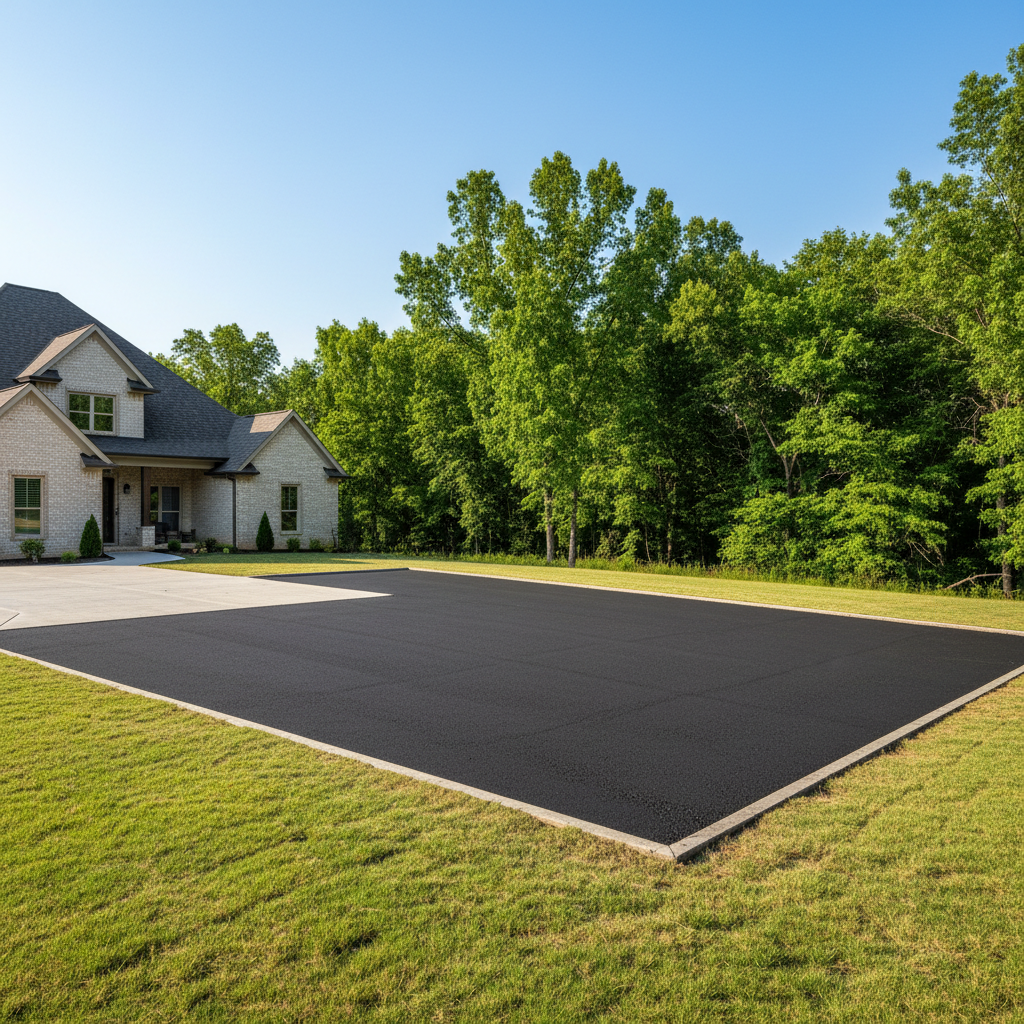
Asphalt milling — sometimes called 'cold planing' or 'asphalt recycling' — is a smart way to fix up an old, worn-out asphalt surface without tearing everything out. Basically, we grind off the top layer of existing asphalt, leaving a fresh, stable base for new paving. This saves you money and time, and it's better for the environment because we can often reuse that milled material. But I've seen plenty of homeowners in Bentonville mess this up, usually by making a few common, avoidable mistakes.
Mistake #1: Not Understanding What Milling Is (or Isn't)
This is probably the biggest one. Some folks think milling is a magic bullet for every asphalt problem. It's not. Milling works great for surfaces that are cracked, rutted, or have minor drainage issues, as long as the underlying base is still solid. If your asphalt has completely failed, if it's got huge potholes down to the dirt, or if the ground underneath is unstable, milling probably won't be enough. You might need a full-depth removal and replacement instead. I've had calls from people in the older parts of town, like near the Bentonville Square, with driveways that are 30+ years old and look like a rollercoaster. Milling won't fix a bad foundation. You need an honest assessment from a contractor who isn't just trying to sell you the cheapest option, right?
Mistake #2: Ignoring Drainage – Before, During, and After
Bentonville gets its fair share of rain, especially those spring downpours. Water is asphalt's worst enemy. If your existing driveway has puddles, or if water runs towards your house, milling alone won't fix that. In fact, if the contractor doesn't pay attention to the existing grades and how water moves, you could end up with worse drainage after milling. When we mill, we're taking off material, which can change the slope. A good contractor will plan for proper drainage throughout the entire process. They'll look at where the water goes now and make sure it's still going where it should – or even better, away from your foundation – after the new layer is put down. Don't let anyone just mill it flat and call it a day without talking about water flow.
Mistake #3: Picking the Wrong Depth
Milling isn't a one-size-fits-all job. You can mill off a little, or you can mill off a lot. The right depth depends on the condition of your existing asphalt and what you're trying to achieve. Mill too shallow, and you might not remove enough of the damaged material; those old cracks could reflect right back through your new surface pretty quickly. Mill too deep, and you might hit your base layer, or even worse, expose utilities if they weren't marked properly. A contractor should be able to explain why they recommend a specific milling depth for your project. I always tell folks, you want to get rid of the bad stuff, but not take off more than you need to. It's a balance.
Mistake #4: Not Considering the Milled Material
So, you've milled off a layer of asphalt. What happens to it? Some contractors will just haul it away and charge you for disposal. Others, like us at Apex Paving Solutions, can often recycle it right there on your property or take it to a facility that reuses it. This isn't just good for the environment; it can save you money on disposal fees. You should always ask what their plan is for the milled material. If they're just going to dump it somewhere, that's a red flag. A reputable company will have a clear, responsible plan for the waste.
Mistake #5: Forgetting About the Edges and Transitions
When you mill a section, you're creating a new, lower surface. How does that transition to your garage floor, your sidewalk, or the street? I've seen jobs where they just stop the milling cold, leaving a sharp, ugly, and sometimes dangerous lip. Good milling work includes feathering the edges, creating smooth transitions, and making sure the new asphalt layer will blend seamlessly. This is especially important if you're milling a driveway that meets a public street; you don't want to create a tripping hazard or a bump that scrapes the bottom of every car. It's all about the details, and a quick, cheap job often skips these critical finishing touches.
Mistake #6: Not Getting a Clear Scope of Work and Contract
This goes for any contractor, but it's especially true for milling. Don't just get a verbal quote. Get everything in writing. What depth are they milling to? What areas are included? How will they handle the milled material? What kind of new asphalt will they lay down afterward (if that's part of the plan)? What about drainage? What are the payment terms? I've seen folks get burned because they assumed things were included that weren't. A clear contract protects both you and the contractor. If they're hesitant to put it all down on paper, walk away. It's your property and your money; you deserve to know exactly what you're paying for.
Milling can be a fantastic solution for extending the life of your asphalt. Just make sure you go into it with your eyes open and ask the right questions. It'll save you a lot of headaches down the road.